Genetic resources in the age of the Nagoya Protocol
Venue
University of CambridgeMedia
Image
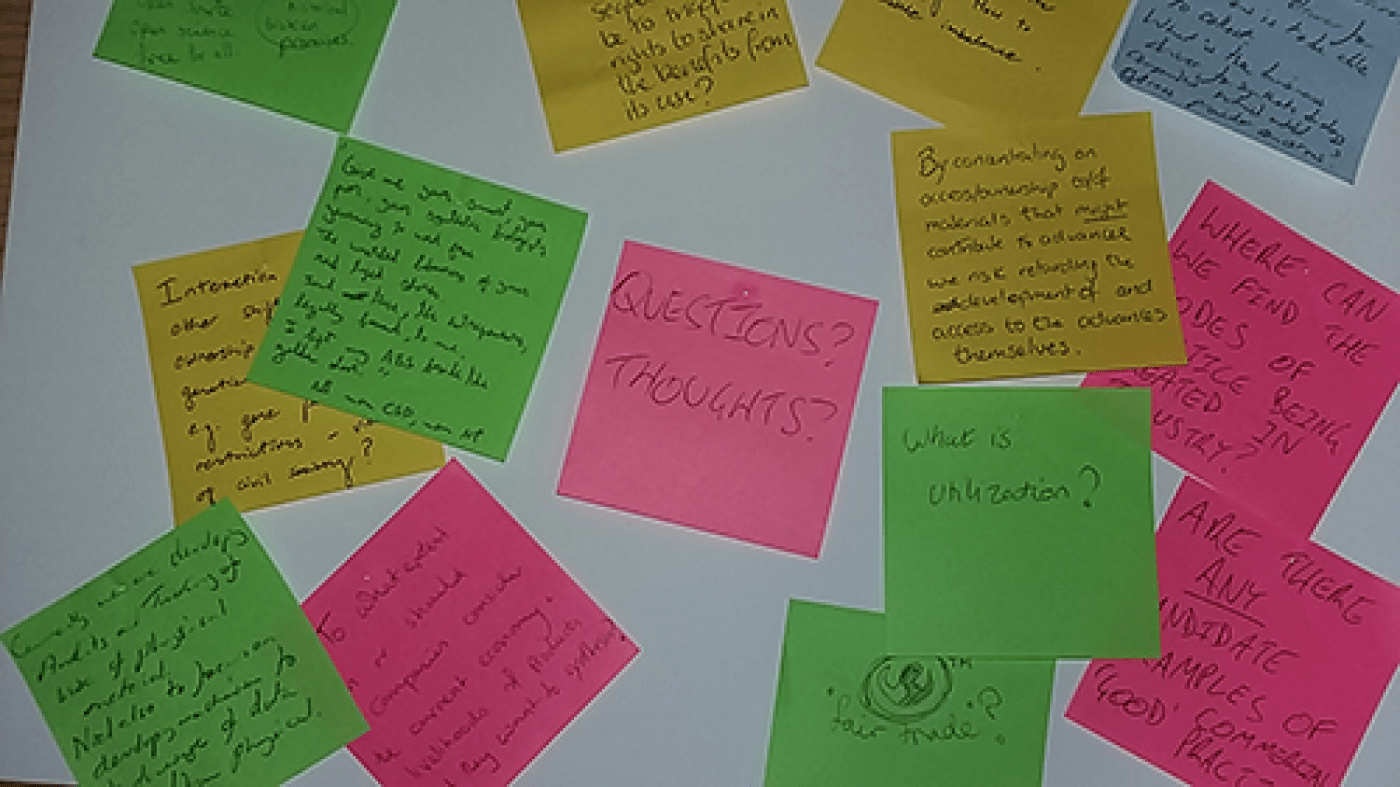
Description
FINAL REPORT now available. DOI: 10.13140/RG.2.2.36025.47207
This interdisciplinary workshop brought together researchers in law, synthetic biology, social science and history to consider the relations between existing access and benefit sharing agreements and changing scientific practices resulting from the capacity for gene and whole genome synthesis.
Access and benefit sharing agreements, as developed under the UN Convention on Biological Diversity (1992) and its Nagoya Protocol (2010), are designed to ensure a fair and equitable relationship between providers of genetic resources and those that use them. These international frameworks come out of recognition that centuries of collecting natural resources greatly benefited those making the collections, be it through scientific advance or industrial application, without returning comparable benefit to the communities from which they were accessed.
As gene and whole genome sequencing and synthesis technologies develop, practices of collection and utilization are poised to shift away from physical transfer, potentially undermining these legal frameworks and their goals.
This workshop provided space for discussion and debate on the future of access and benefit sharing of genetic resources in light of these developments.